Posted by Nicholas Forth
on October 09, 2023

The world of bedroom design continues to evolve, offering increasingly diverse options to suit different tastes and lifestyles. One design choice that often sparks curiosity is the round bed. With its unconventional shape and visual presence, it naturally raises an important question: are round beds actually comfortable?
This article looks at how round beds feel in everyday use, what influences their comfort, and the practical factors worth considering before deciding whether one is right for your bedroom.
For a broader comparison between circular and traditional designs, our round bed vs regular bed guide explores how both options perform across space, comfort, and practicality.
The Unconventional Appeal of Round Beds
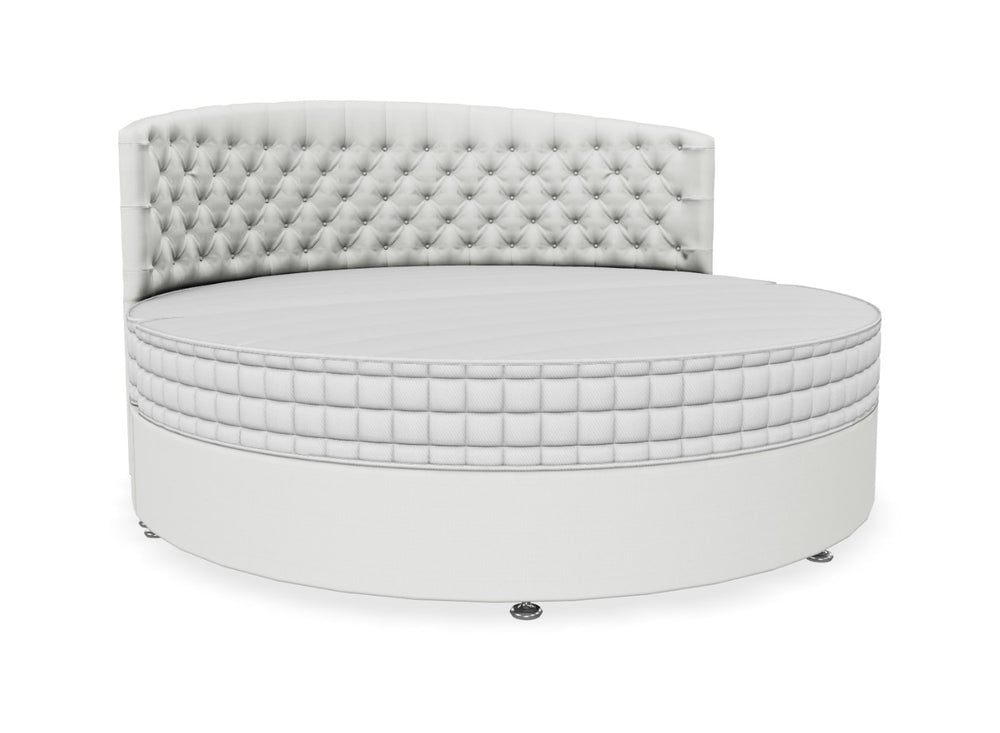
Round beds have a distinctive appeal that immediately sets them apart from rectangular designs. Their curved form introduces softness and movement into a space, often making the bed feel more like a centrepiece than a background feature.
This visual impact is a large part of their attraction, but comfort depends on more than appearance alone. Several practical factors influence how a round bed feels in daily use.
Mattress Size and Comfort
As with any bed, mattress quality plays a central role in comfort. Round beds typically offer generous sleeping surfaces, particularly for those who prefer to sleep centrally rather than close to the edges.
The key is choosing a mattress that suits your preferred firmness and sleeping style. A well-supported mattress will have a far greater impact on comfort than the bed’s shape alone.

Sleep Position and Movement
Sleeping position influences how comfortable a round bed feels. The continuous edge can suit sleepers who move frequently during the night, as there is no defined top or bottom.
However, those who prefer sleeping close to the edges may find the shape less intuitive than a traditional rectangular layout.
Bedding and Accessories
Bedding is another consideration. Round beds require specially sized sheets and covers, which can affect both availability and cost. Well-fitted bedding improves comfort and helps the bed feel intentional rather than improvised.
Room Space and Layout
Comfort is also influenced by the surrounding space. Round beds work best when the room allows sufficient clearance around the bed, preventing the layout from feeling cramped.
Support and Frame Quality
A solid support system is essential. A well-built frame helps distribute weight evenly and prevents long-term sagging, which directly affects comfort over time.
Personal Preference
Ultimately, comfort is subjective. Some people find the softer geometry of a round bed exceptionally relaxing, while others prefer the familiarity and structure of rectangular designs.

Pros and Cons of Round Beds
To help balance the decision, it is useful to weigh the advantages and limitations.
Advantages
- Strong visual impact and statement design.
- Flexible sleeping positions for central sleepers.
- A softer, more cocooning feel for some users.
Considerations
- Specialist bedding requirements.
- Greater space needed for comfortable layouts.
- Comfort depends heavily on mattress and support quality.
Final Thoughts
Round beds can be comfortable, but their comfort is influenced by several practical factors rather than shape alone. Mattress quality, room layout, and personal sleeping habits all play an important role.
For those who value distinctive design and are willing to plan their space carefully, a round bed can offer a comfortable and visually striking alternative to traditional layouts. As with any major furniture choice, understanding how it fits into your daily routine is key to long-term satisfaction.

Nicholas Forth

Director
Nick has put his 15 years of industry expertise into his blog posts. With the goal of making customers more informed, he provides insight into bed design, durability, and the best choices for different lifestyles and needs. His writing combines technical knowledge with practical advice, helping readers understand what really matters when choosing a bed or mattress. Whether breaking down material differences, exploring trends in bedroom design, or sharing tips on maximising comfort, he ensures every post is both educational and easy to follow.