Posted by Shane Cousins
on January 16, 2026

Choosing a bed is no longer just about finding the right size mattress. The style and shape of your bed frame influence how your bedroom looks, how it functions day to day, and how comfortable the space feels over time.
A low, minimal bed can make a small room feel calm and open. A statement frame can anchor a large bedroom and define its character. Storage-focused designs can quietly transform how a room works, especially in modern homes where space is at a premium.
This guide explores the most common bed styles and shapes, explaining how each one works in practice, who it suits best, and when a particular design deserves deeper consideration. Whether you are furnishing a master bedroom, a child’s room or a more design-led space, understanding these differences helps you make a confident, long-term choice.
- Understand how bed style affects room layout and flow
- Learn which designs suit different lifestyles and spaces
- Discover when specialist bed styles need extra planning
How Bed Styles Influence Bedroom Design and Daily Living
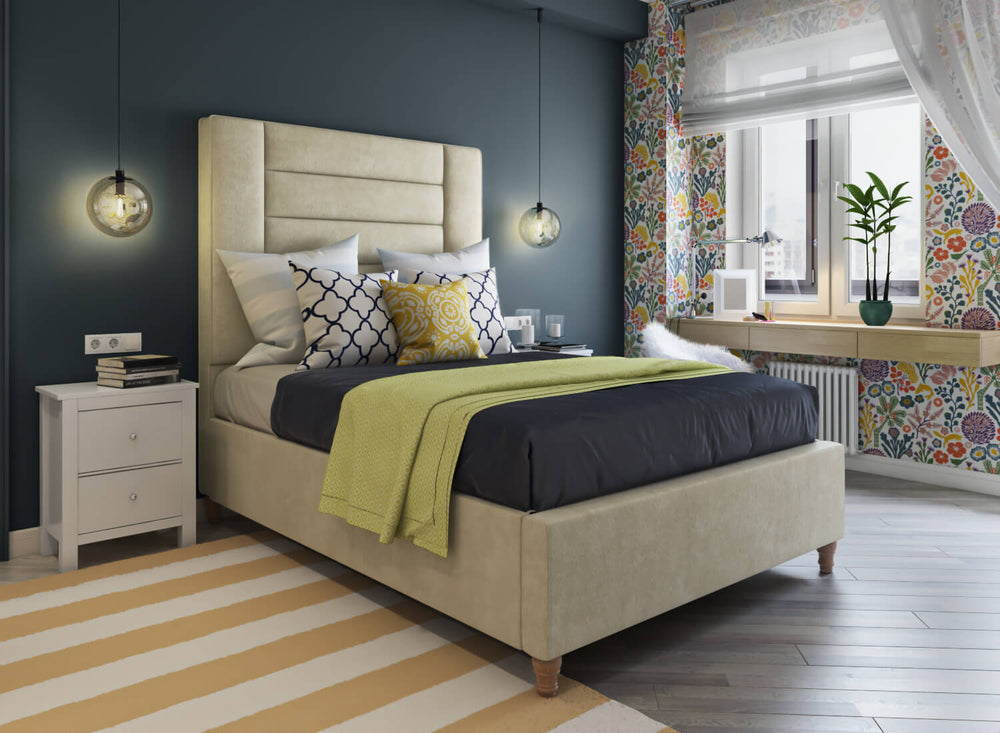
The bed is usually the largest piece of furniture in a bedroom, which means its design has a disproportionate impact on how the room feels and functions. Beyond aesthetics, the shape and structure of a bed frame influence movement, storage options and even how restful the space feels.
When choosing a bed style, it helps to think about more than how it looks in a showroom or product photo. Consider how it interacts with the room as a whole and how you use the space every day.
Key factors influenced by bed style include:
- Visual balance – Taller or more decorative frames draw the eye, while low-profile beds create a calmer, more open feel.
- Room circulation – Bulky designs can restrict movement in smaller rooms, whereas streamlined frames improve flow.
- Storage and practicality – Some styles integrate storage seamlessly, others prioritise simplicity and access.
- Long-term comfort – Height, access and support all affect how comfortable the bed is to live with over time.
Different bed styles suit different homes, lifestyles and stages of life. In the sections that follow, we break down the most common designs, explaining where they work best and when it is worth exploring a specific style in more detail.
Low-Profile and Minimal Bed Designs

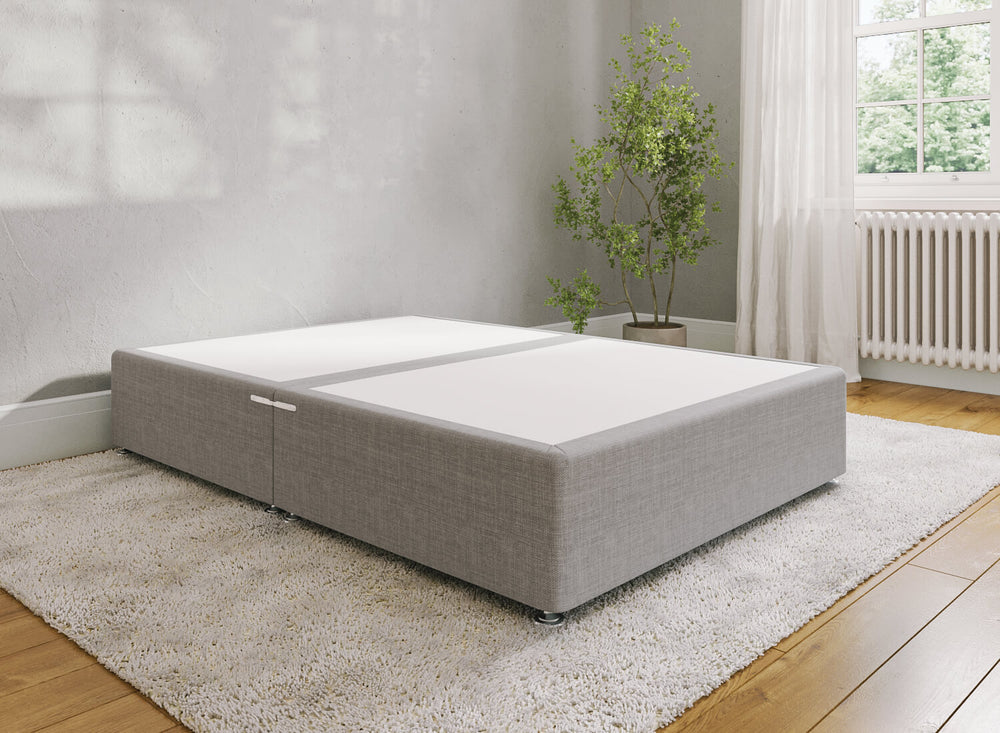
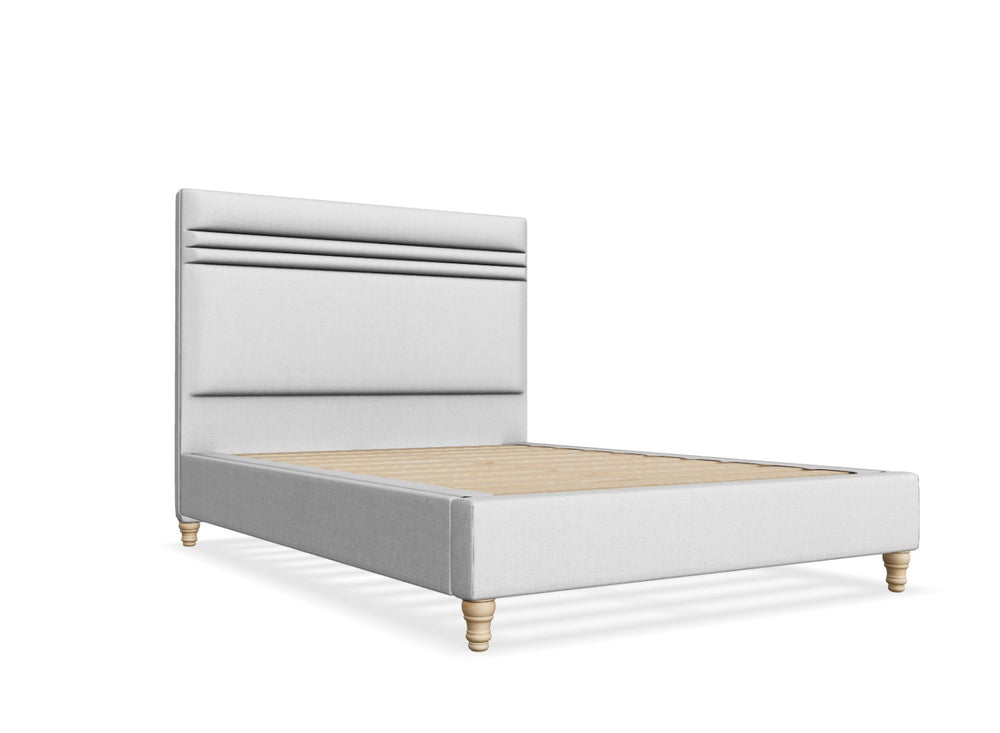
Low-profile bed designs prioritise simplicity, clean lines and a strong sense of calm. By keeping the sleeping surface closer to the floor, these styles help create a feeling of openness, particularly in bedrooms where space or ceiling height is limited.
Minimal bed frames often work best in modern, Scandi-inspired or design-led interiors, where visual clutter is reduced and materials are allowed to speak for themselves. They tend to blend into the room rather than dominate it, making them a popular choice for people who prefer a softer, more understated bedroom aesthetic.
Low-profile beds can subtly change how a room feels, making ceilings appear higher and spaces feel calmer, even when the overall room size stays the same.
Within low-profile designs, you may also come across beds described as floor beds, Montessori beds or Japanese-style floor beds. While these terms originate from different design and educational philosophies, they are often used interchangeably to describe beds that sit very close to, or directly on, the floor.
In the UK, floor beds are most commonly purchased as a transitional option for young children moving away from a crib or cot. Their low height supports independent access, reduces the risk of falls and encourages a sense of autonomy, which is why they are often associated with Montessori-inspired bedrooms. In adult spaces, similar designs are chosen for their minimalist aesthetic and relaxed, grounded feel.
Endurance Beds Insight
Minimal bed designs are not just a style choice. They can also influence how you move through a room, how light travels across the space and how visually restful the bedroom feels over time.
Some low-profile designs, particularly those that sit directly on or very close to the floor, benefit from deeper consideration around airflow, mattress pairing and long-term practicality. These designs are explored in more detail in our dedicated floor bed guide.
Statement Bed Frames: Beds That Anchor a Room

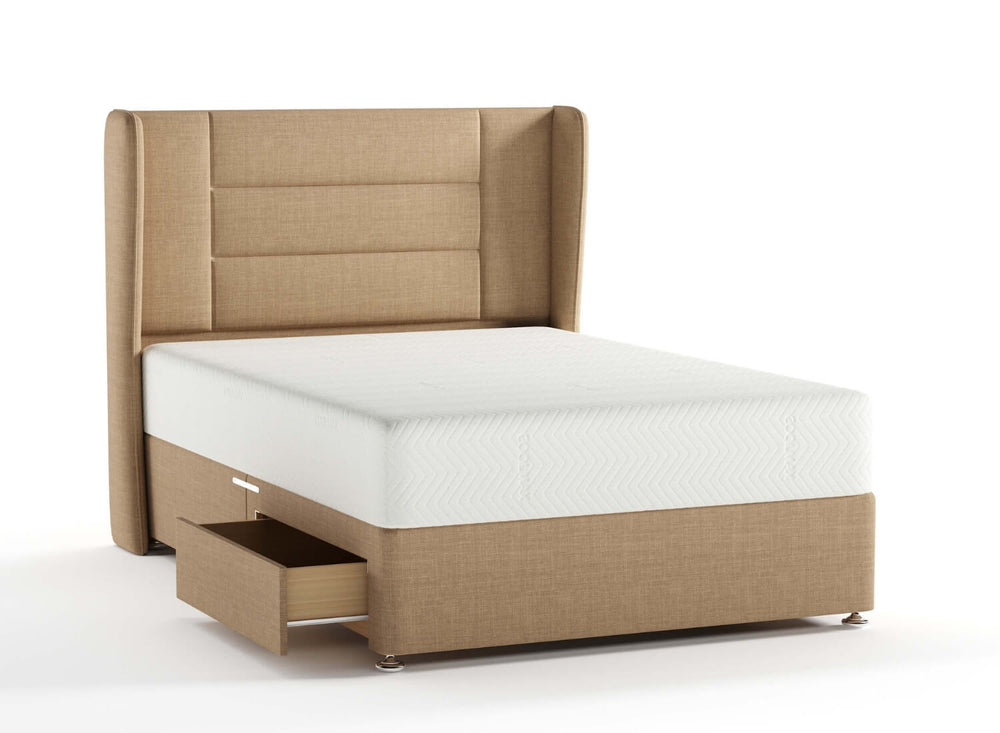
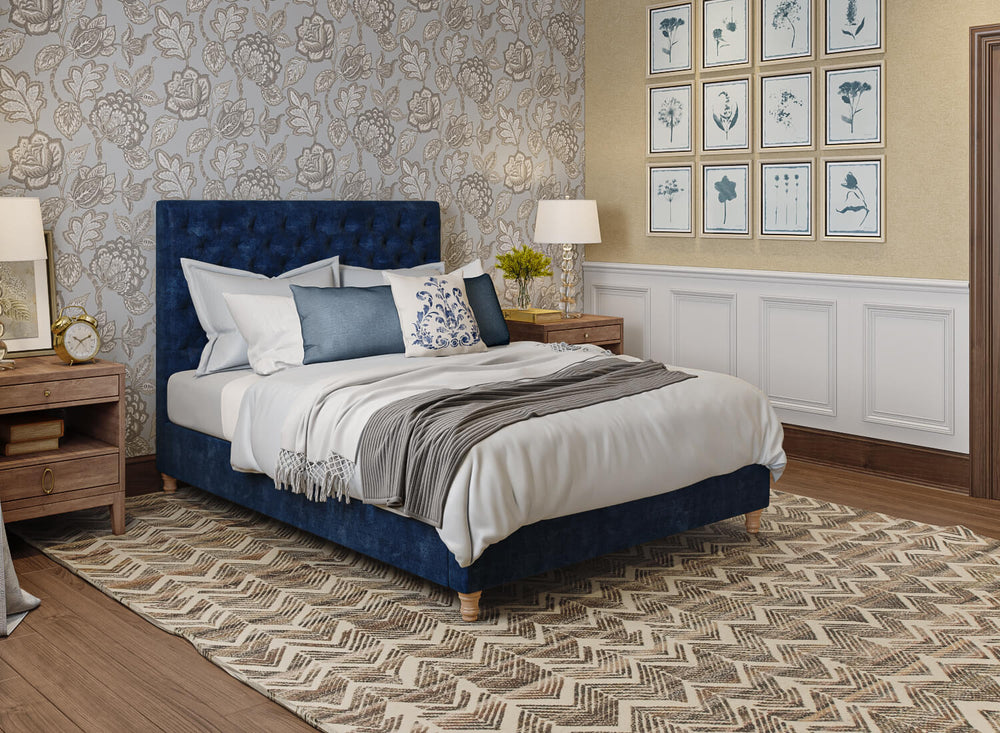
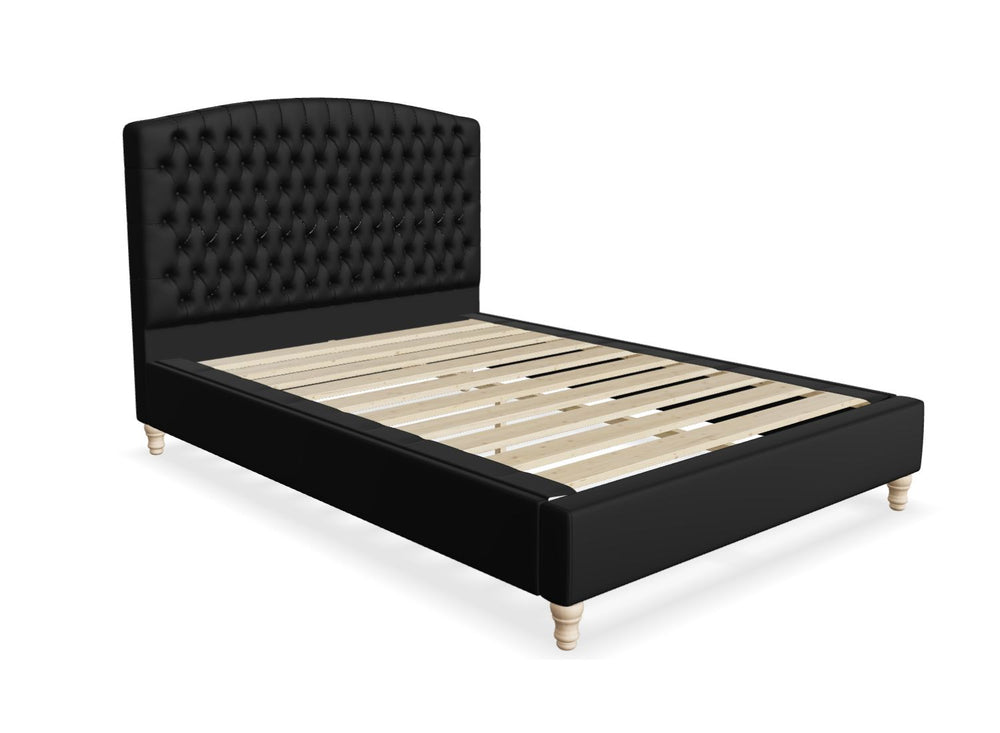
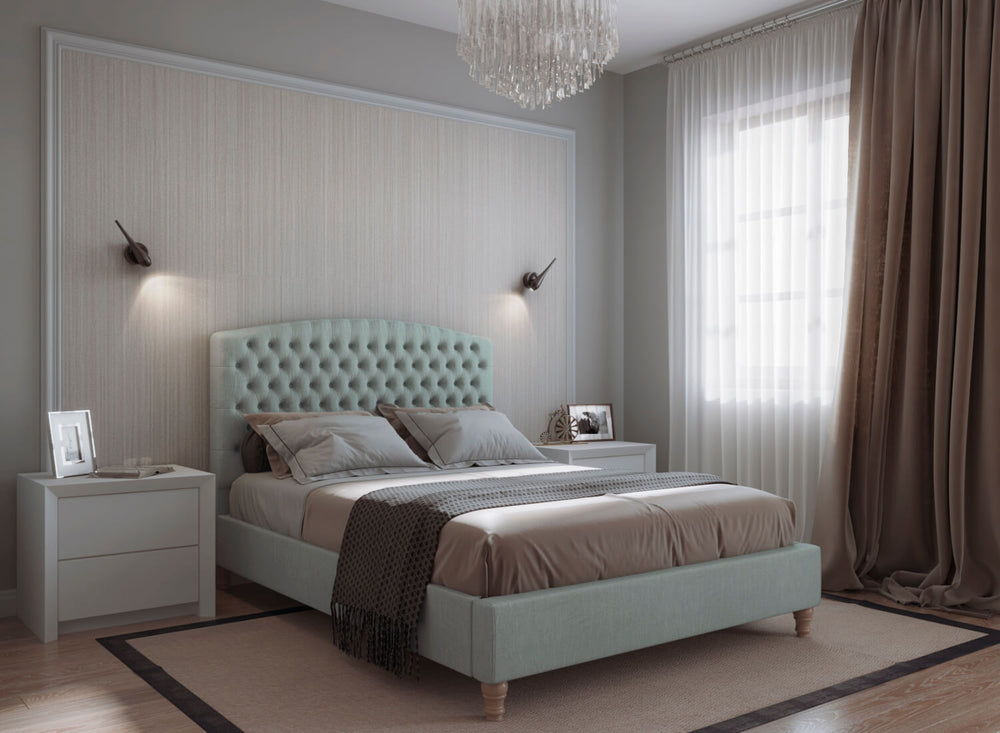
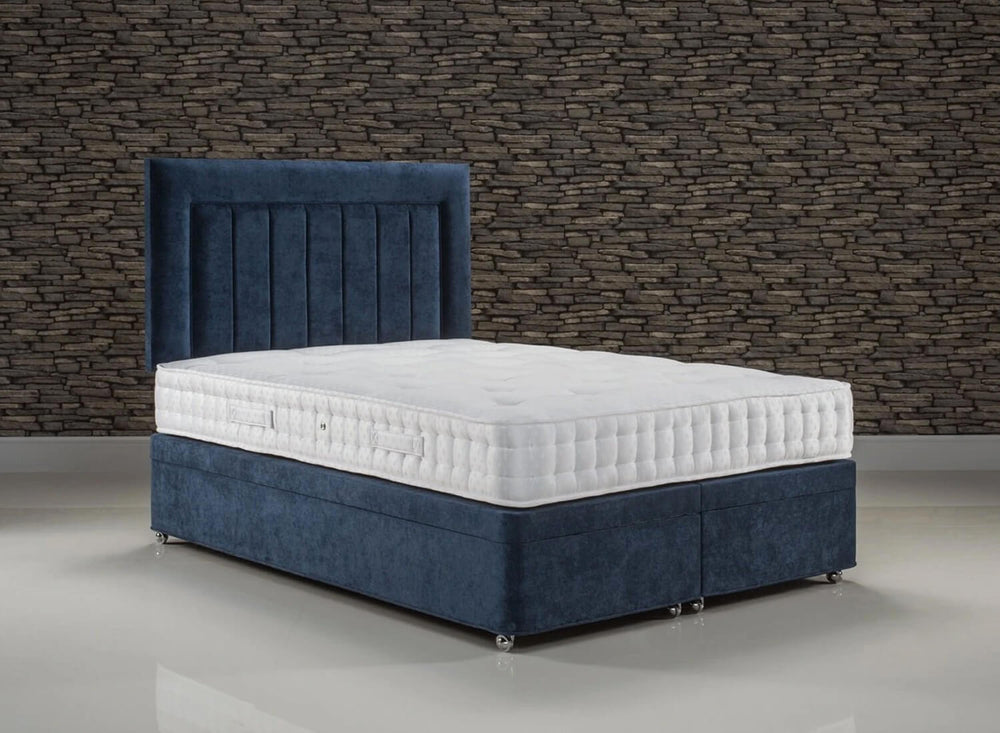
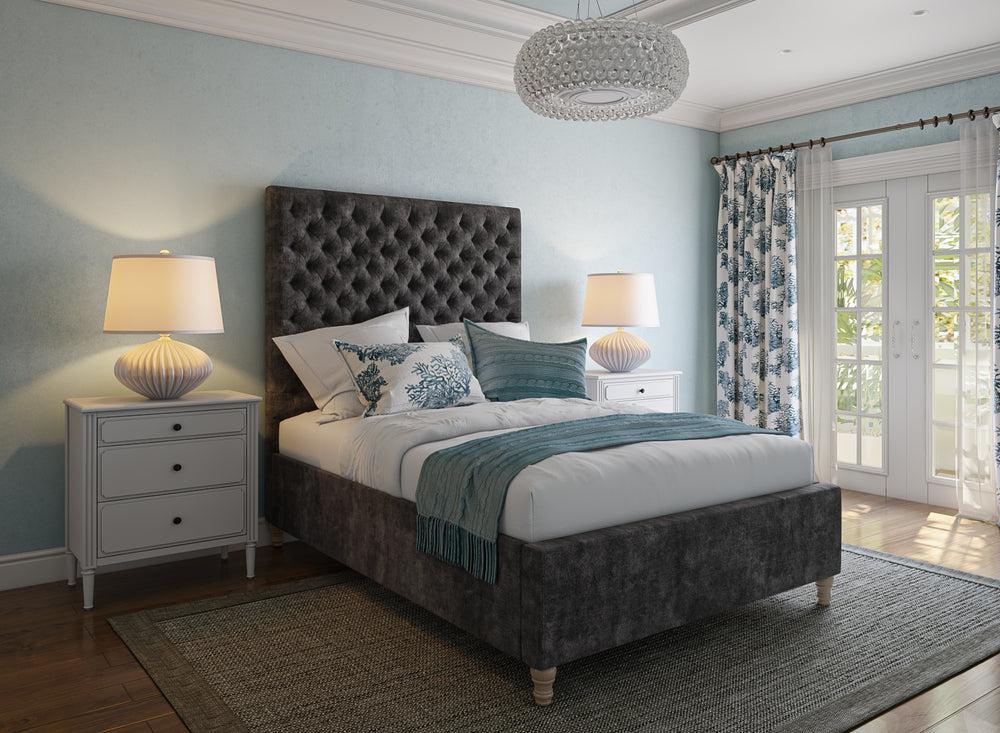
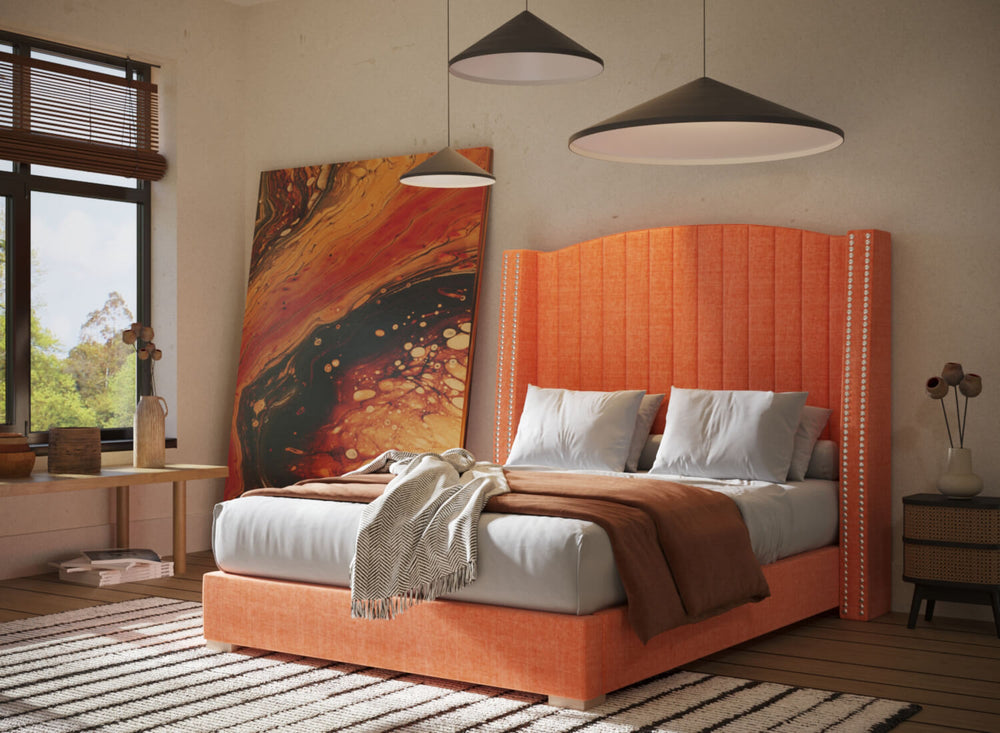
Statement bed frames are designed to be seen. Rather than blending into the background, these beds act as a visual anchor, often setting the tone for the entire bedroom. They are particularly well suited to larger spaces where the bed can take centre stage without overwhelming the room.
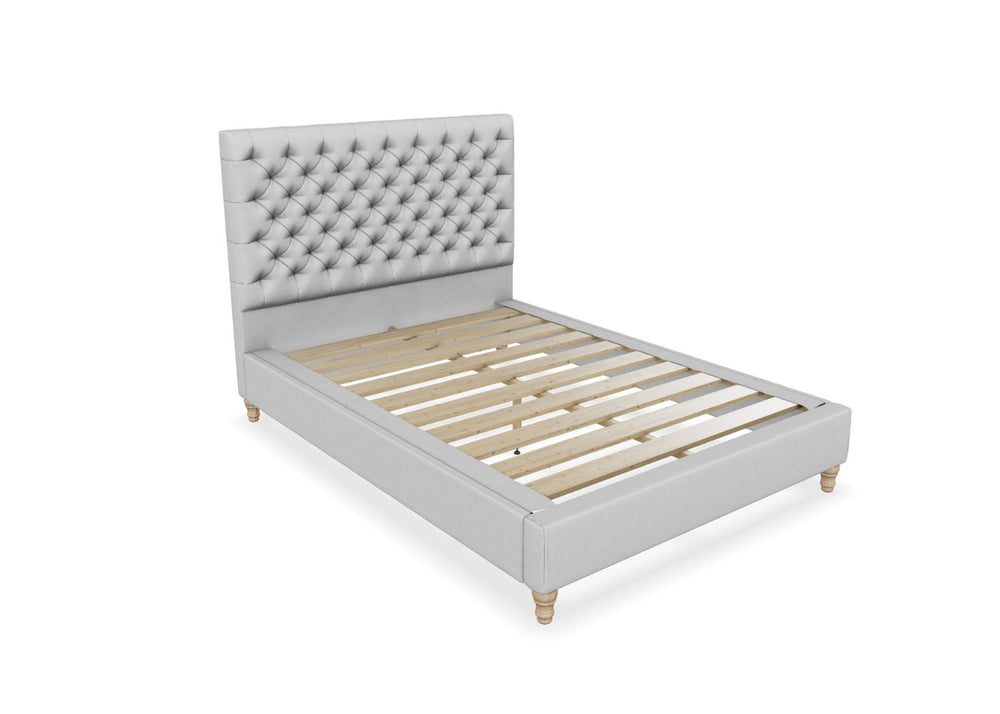
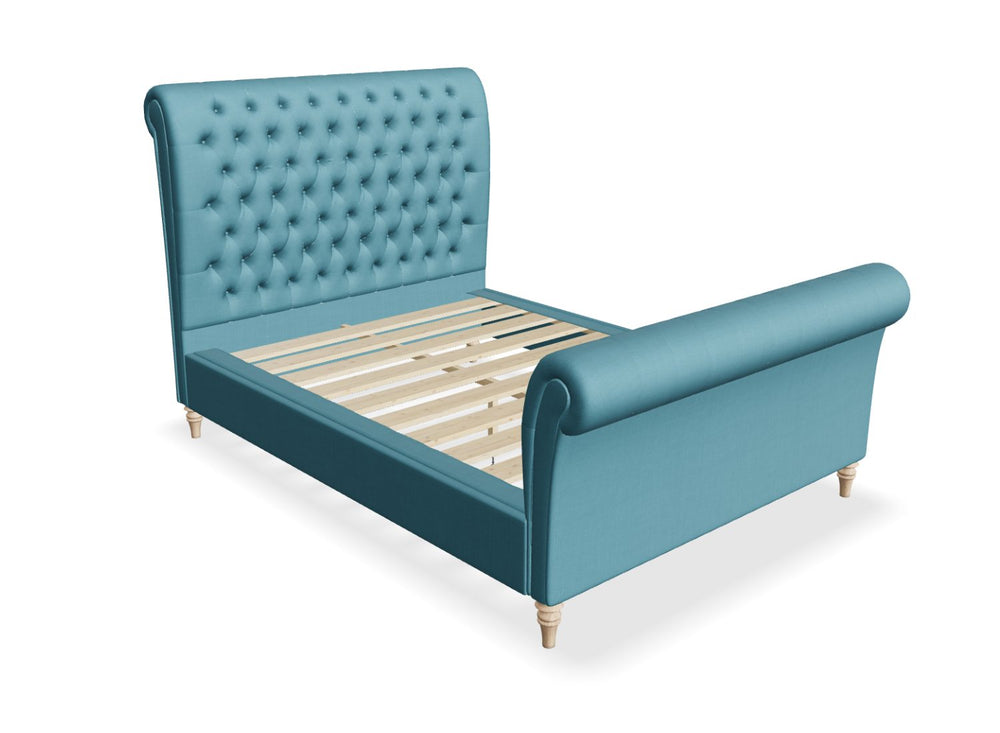
Popular statement styles include four poster beds, canopy-inspired frames and designs with tall or architectural headboards. These beds often introduce height and structure, drawing the eye upward and adding a sense of drama or luxury to the space.
A statement bed works best when the room has enough visual breathing space. In smaller rooms, scale matters more than style.
While visually impactful, statement beds require careful consideration. Ceiling height, room proportions and furniture placement all play a role in whether the design enhances the room or makes it feel crowded. When chosen well, however, a bold bed frame can bring cohesion and purpose to an otherwise undefined space.
These styles are often favoured in master bedrooms or feature rooms where design expression is a priority. They tend to suit homeowners looking to create a focal point rather than maximise storage or minimise footprint.
Practical Bed Styles for Modern Living

In many modern homes, bedrooms are expected to do more than simply house a bed. Storage, flexibility and efficient use of space often play just as important a role as aesthetics, which is where more practical bed styles come into their own.
Storage-focused designs are particularly popular in UK homes, where room sizes can be more compact and built-in storage is not always available. Rather than adding wardrobes or drawers that take up valuable floor space, these bed styles integrate functionality directly into the frame.
A well-designed storage bed should feel effortless to live with. If access or lifting feels awkward, the benefit quickly disappears.
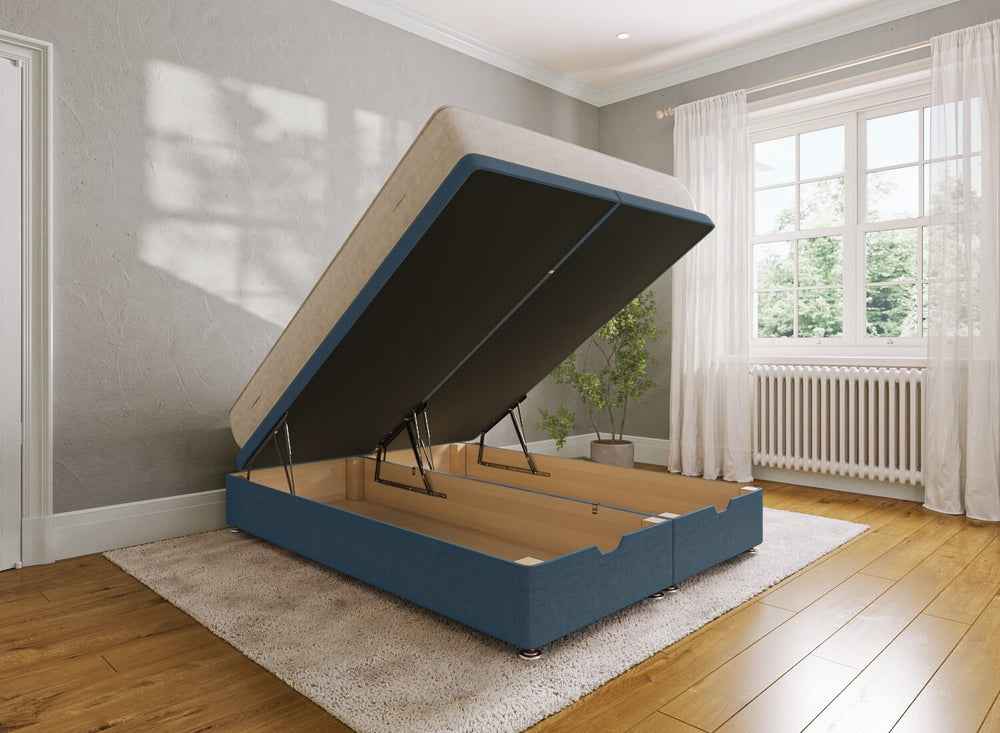
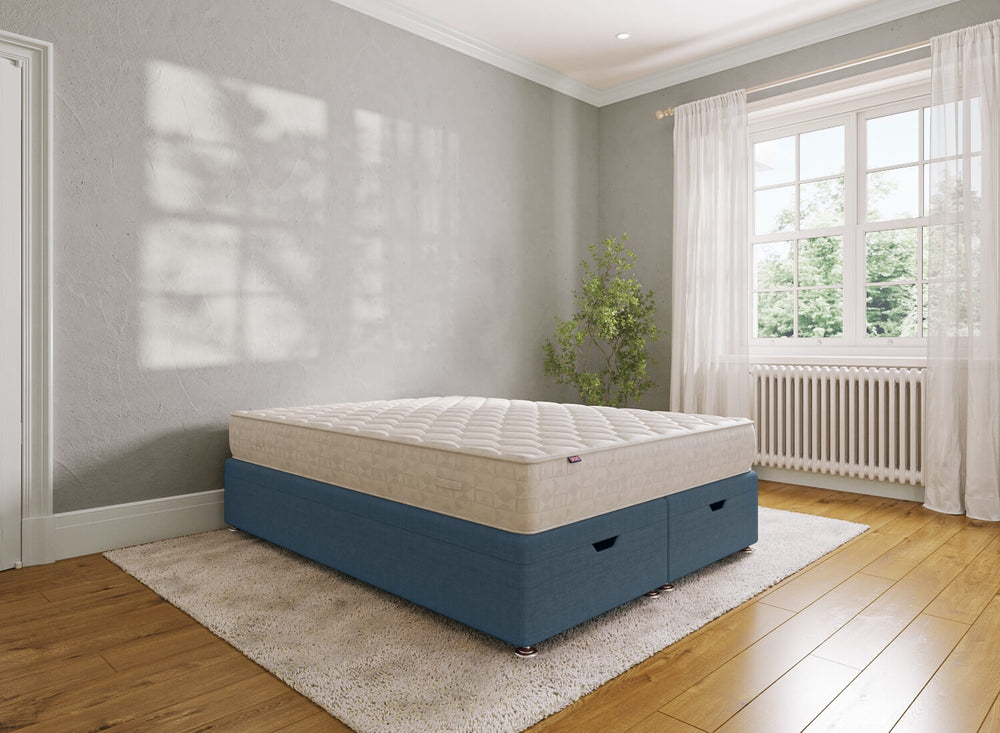
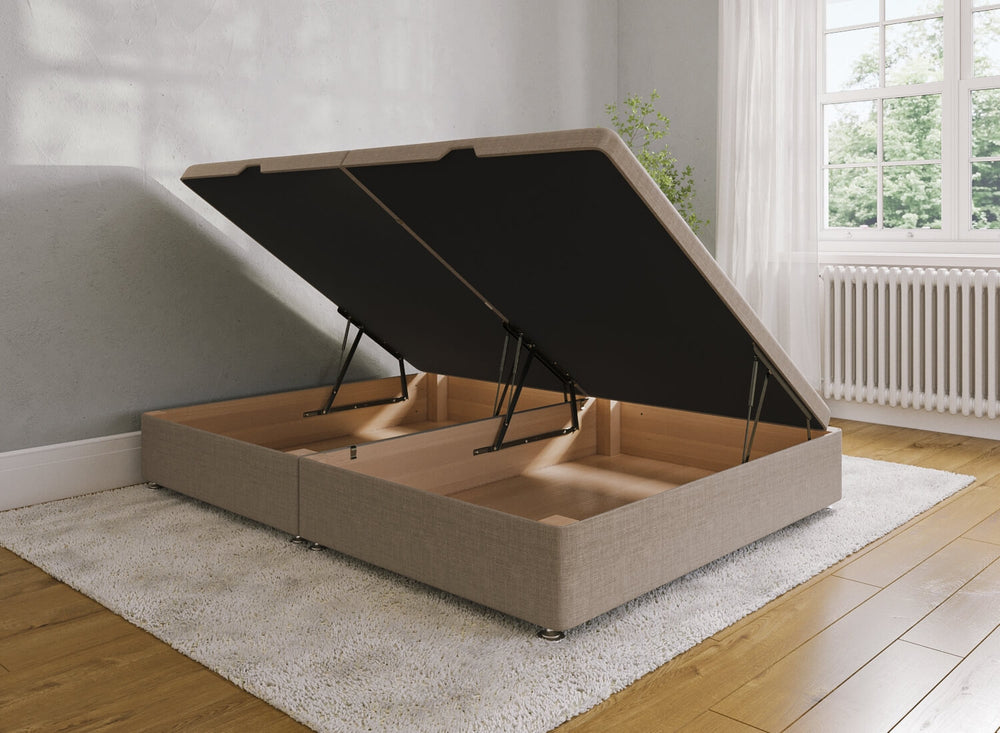
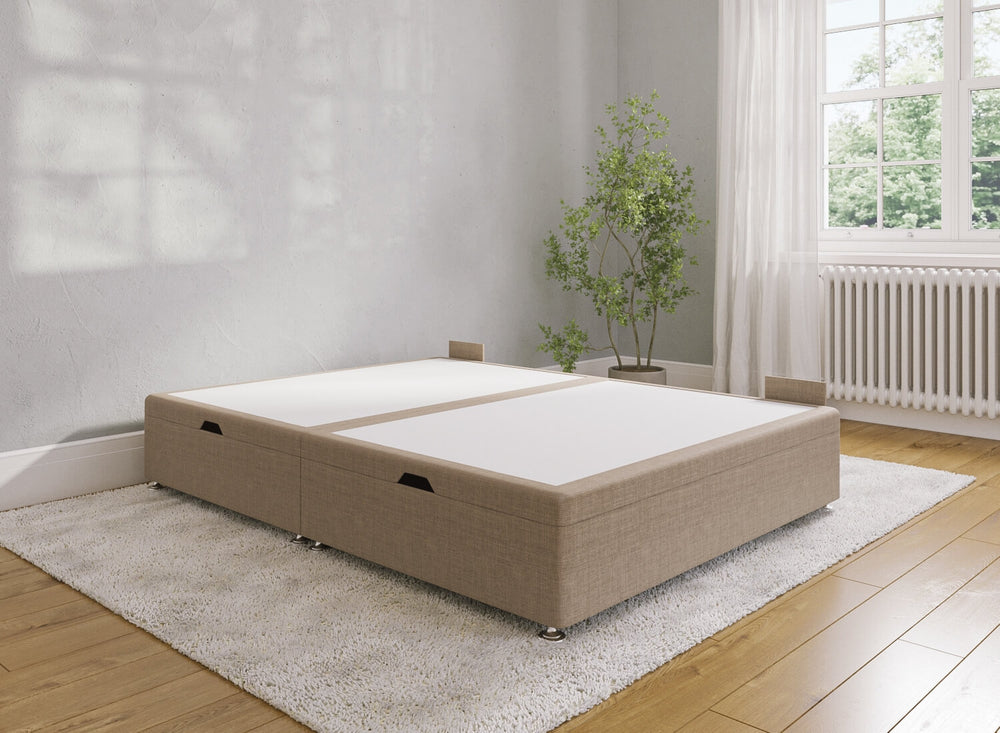
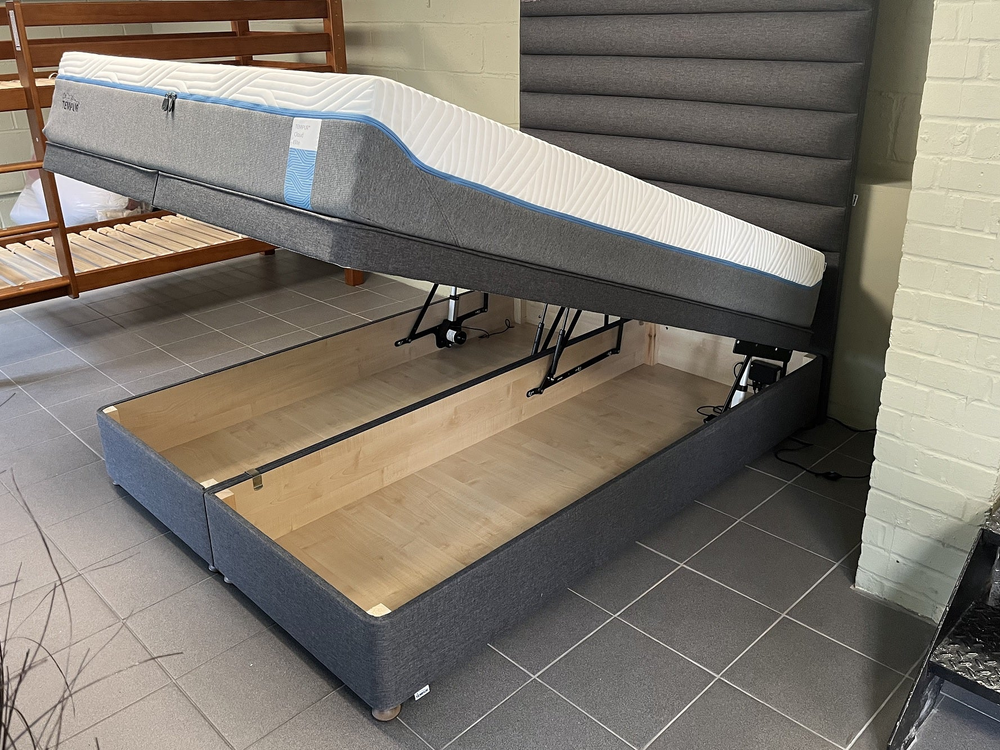
Among practical designs, ottoman beds are one of the most versatile options. By lifting the sleeping surface to reveal a full under-bed storage area, they make use of space that would otherwise be wasted. This makes them especially well suited to master bedrooms, guest rooms and homes with limited cupboard space.
While ottoman beds are often chosen for their storage capacity, factors such as lift mechanism quality, ease of access and mattress compatibility are just as important as the space they provide. These considerations are explored in more detail in our dedicated ottoman bed guide.
Endurance Beds Insight
Practical bed styles work best when function supports comfort, not when convenience comes at the expense of everyday usability.
Children’s and Growing Family Bed Styles

Bed styles designed for children and growing families place a stronger emphasis on adaptability, safety and long-term use. Unlike adult beds, these designs often need to accommodate changing needs as a child grows, moves rooms or gains independence.
In early years, lower bed heights and simple frame designs are often preferred, particularly when children are transitioning away from cots. As children get older, priorities tend to shift toward durability, space efficiency and designs that can evolve with the room rather than feel quickly outgrown.
The best children’s bed styles are those that feel appropriate now but do not limit how the room can be used in the future.
Many family-focused bed designs aim to balance reassurance and independence. A bed that feels accessible and safe can help build confidence, while still providing enough structure to support healthy sleep routines. Practical considerations such as robust construction, ease of access and room layout often take priority over purely decorative features.
As children grow, bed styles that integrate storage or make smarter use of floor space can help bedrooms adapt without constant replacement. Choosing a thoughtful design early on can reduce the need for frequent upgrades while keeping the room functional and comfortable.
Elevated and Space-Saving Bed Frames

Elevated bed frames are designed to make better use of vertical space, lifting the sleeping area to free up room beneath. These styles are often chosen where floor space is limited or where a bedroom needs to serve more than one function.
Loft beds are the most recognisable example of this category. By raising the bed above desks, storage or open floor space, they can dramatically change how a room works, particularly in smaller bedrooms, shared spaces or homes where every square metre counts.
Elevated beds work best when ceiling height and room layout are considered together, not in isolation.
These designs are commonly used in children’s and teenage bedrooms, but they also appeal to adults living in compact urban homes. The key to success is proportion. A well-designed elevated bed should feel purposeful and balanced, not cramped or overbearing.
When considering raised bed styles, it is important to think beyond space savings alone. Ease of access, long-term comfort and how the room will be used throughout the day all play a role in whether this type of design is right for you.
Unconventional and Specialist Bed Shapes

While most bedrooms are built around rectangular bed frames, some spaces call for something less conventional. Specialist bed shapes prioritise visual impact, individuality and design expression, often becoming the defining feature of the room.
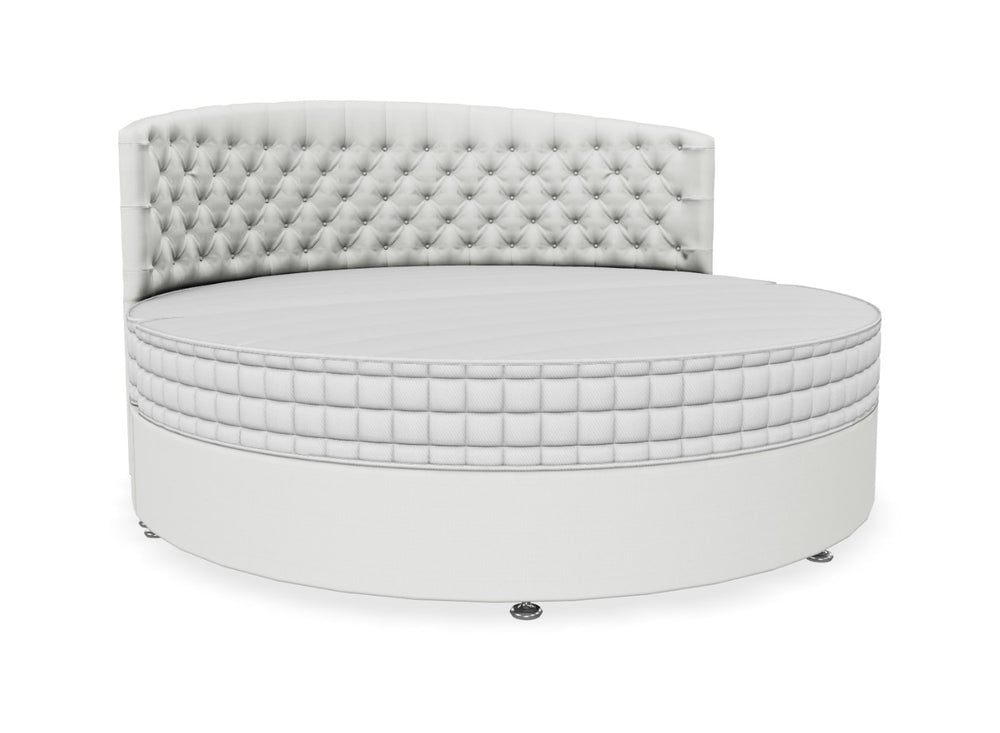
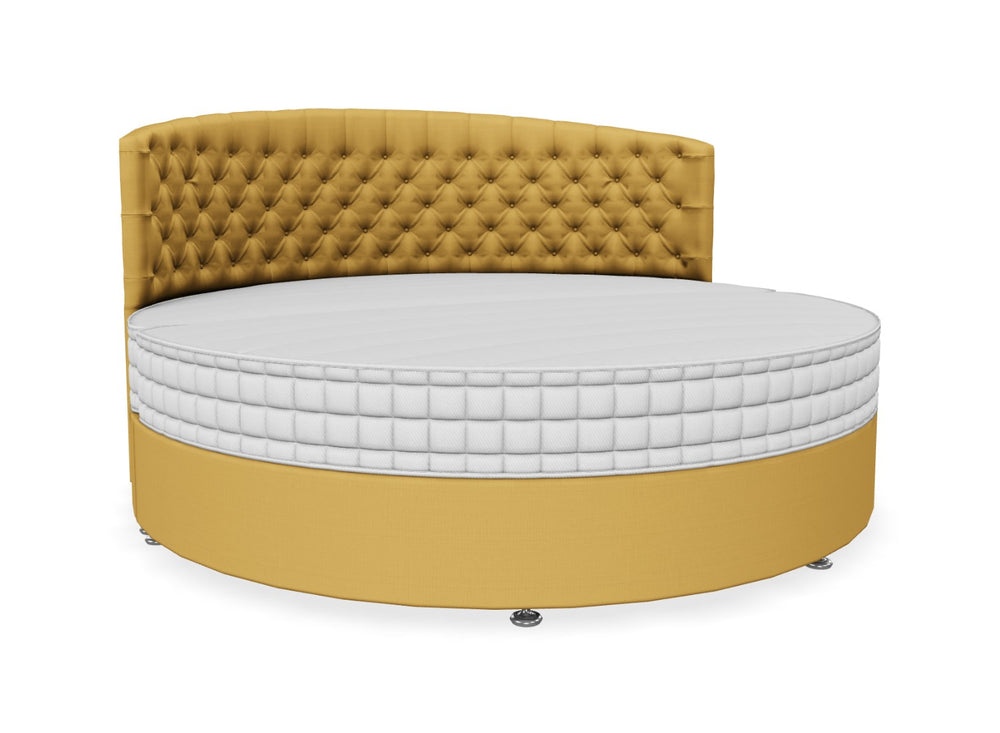
Round beds are the most distinctive example of this category. Their curved shape softens the look of a bedroom and can create a more fluid, design-led atmosphere, particularly in larger or open-plan spaces where traditional layouts feel too rigid.
Specialist bed shapes are chosen deliberately. They tend to suit confident design schemes rather than practical-first layouts.
While visually striking, unconventional bed shapes require careful planning. Bedding compatibility, room circulation and furniture placement all become more important, as standard layouts do not always apply. For this reason, these designs are often better suited to master bedrooms or feature spaces rather than multifunctional rooms.
Round beds, in particular, benefit from deeper consideration around sizing, mattress pairing and room proportions. These factors are explored in more detail in our dedicated round bed guide, where the practical realities of curved bed designs are examined in depth.
Endurance Beds Insight
Unconventional bed shapes work best when the room is designed around the bed, not when the bed is forced into an existing layout.
Choosing the Right Bed Style for Your Bedroom
With so many bed styles available, the right choice is rarely about trends alone. The most successful bedrooms are those where the bed style aligns with the space, the way the room is used and how your needs may change over time.
Rather than starting with a specific design in mind, it often helps to work through a few practical considerations first. This narrows your options naturally and makes it easier to choose a bed that feels right long after the initial decision.
Key questions to guide your choice:
- How large is the room? Taller or bulkier frames need space to breathe, while low-profile designs can help smaller rooms feel more open.
- Do you need built-in storage? If storage is limited elsewhere, a practical bed style may remove the need for additional furniture.
- Who will use the bed? Children, adults and guest rooms often benefit from very different designs.
- Is this a long-term choice? A bed that adapts to changing needs can prevent unnecessary replacement later.
The best bed style is rarely the most eye-catching one, but the one that quietly supports how you live every day.
Balancing aesthetics with practicality helps ensure the bed enhances the room rather than dictating how it must be used. Taking time at this stage often leads to a more confident, considered decision.
Endurance Beds Insight
A well-chosen bed style should still feel like the right decision five or ten years down the line, not just on the day it arrives.
How Bed Styles Work with Mattresses and Foundations
Bed style and mattress choice are closely connected. The shape, height and structure of a bed frame all influence how a mattress performs and how comfortable the bed feels over time.
Some bed styles naturally suit deeper mattresses, while others work best with slimmer profiles to maintain balance and proportion. Low-profile beds, for example, often look and feel better with mattresses that do not add excessive height, whereas statement frames can accommodate more depth without overwhelming the design.
Support structure is equally important. The type of base, whether slatted, solid or lift-assisted, affects airflow, durability and long-term mattress comfort. Choosing a bed style that complements your mattress helps ensure consistent support and a more comfortable sleeping experience.
A mattress can only perform as well as the bed frame supporting it.
When considering a new bed style, it is worth thinking about how your existing mattress will pair with the frame, or whether a different mattress type may be better suited. Taking this holistic approach helps avoid compromises and ensures both elements work together as intended.

When a Specialist Bed Style Deserves Deeper Research
While many bed styles can be chosen based on appearance and room layout alone, some designs involve additional considerations that make deeper research worthwhile. These styles tend to influence not just how the bedroom looks, but how it functions on a daily basis.
Factors such as access, long-term comfort, safety and compatibility with mattresses or room layouts can vary significantly depending on the style. In these cases, understanding the practical realities before committing helps avoid compromises later.
Bed styles that benefit from specialist guidance include:
- Floor Beds – where height, airflow, age suitability and mattress pairing all play a role.
- Ottoman Beds – where storage access, lifting mechanisms and everyday usability matter as much as capacity.
- Round Beds – where room proportions, bedding compatibility and layout planning become more complex.
Specialist bed styles reward careful planning. The more distinctive the design, the more important the details become.
Exploring these styles in greater depth allows you to move beyond surface-level appeal and make a choice that works comfortably in the long term. Dedicated guides can help answer practical questions that are not always obvious at first glance.
Endurance Beds Insight
The more a bed style changes how a room functions, the more valuable specialist guidance becomes.
Style, Shape and Long-Term Bedroom Satisfaction
Bed styles and shapes play a defining role in how a bedroom feels, functions and evolves over time. While trends may influence initial preferences, the most satisfying choices are those that align with your space, lifestyle and long-term needs.
Whether you are drawn to minimal designs, practical storage solutions or bold statement frames, understanding how different bed styles behave in real homes helps turn inspiration into confident decisions. Thoughtful planning at this stage can prevent compromises later and ensure the bed remains a positive part of the room for years to come.
By considering both design and practicality, and exploring specialist styles in more depth where needed, you can create a bedroom that feels balanced, comfortable and genuinely suited to the way you live.

Shane Cousins

Marketing Executive
For the past five years, Shane has been a valued member of the Endurance Beds team, drawing on his degree and background in consumer insight research to shape engaging, design-focused content. He loves helping customers spark their own creativity, from colour matching to discovering new stylistic approaches for their bedrooms. "Working for a bed company taught me so much more than just product details. It introduced me to the science of sleep, the art of product matching, and how small choices can transform rest. I’ve since developed into a bit of a sleep expert, using what I’ve learned to share honest, practical advice through my content."