


Posted by Shane Cousins
on February 16, 2024

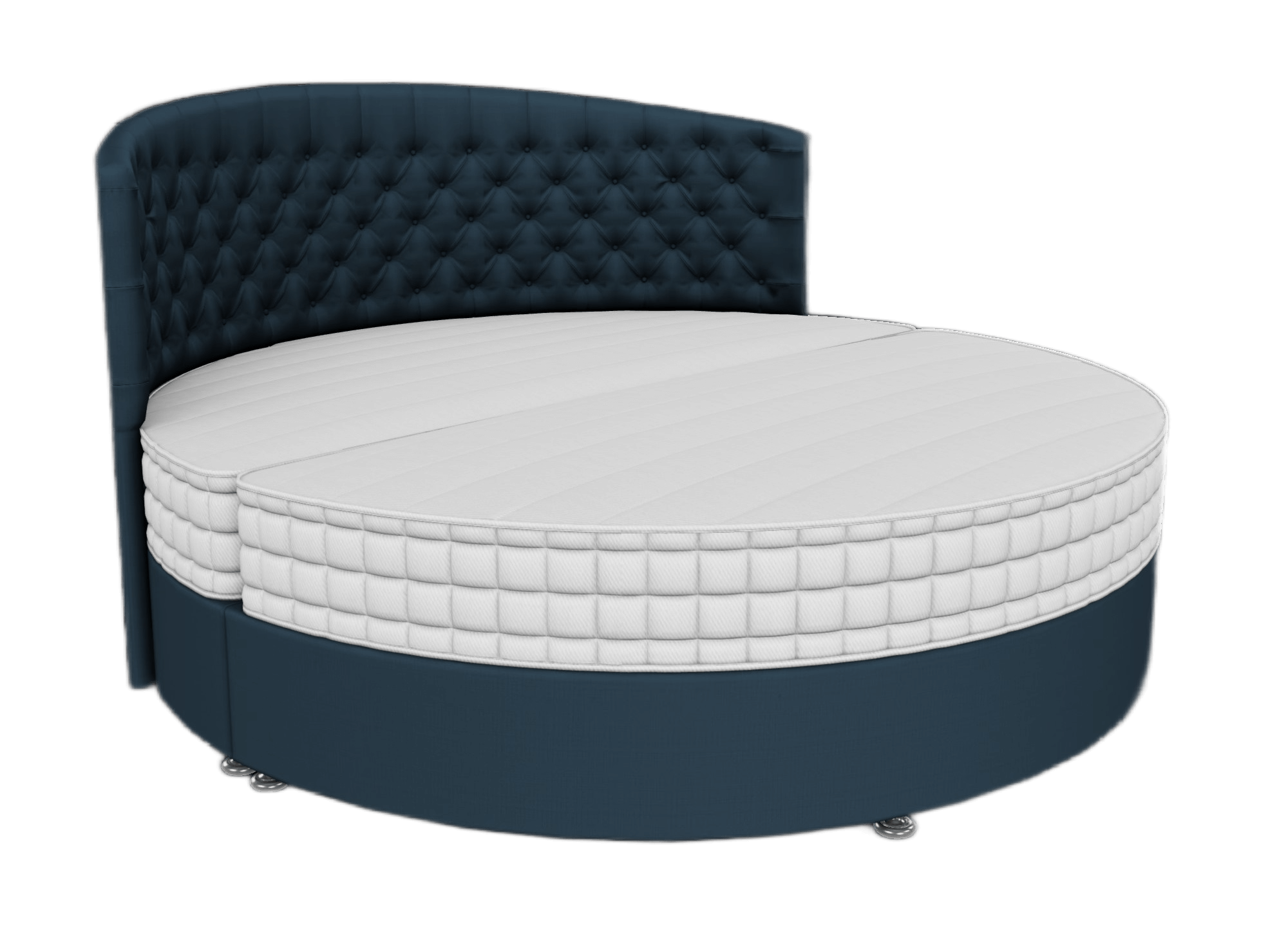
When it comes to furnishing small bedrooms, the challenge is often finding the right balance between style and functionality. Traditional rectangular beds work well in most spaces, but they are not always the most efficient choice for compact layouts. Round beds offer a more unconventional alternative, combining visual impact with clever spatial use when planned carefully.
This guide explores how round beds can work successfully in smaller bedrooms, focusing on layout, flow, and design decisions that help maximise space without compromising comfort or aesthetics.
For a broader look at how different bed shapes influence layout and lifestyle, our bed styles and shapes guide explores the strengths of each option in more detail.
Endurance Beds insight:
In smaller rooms, perceived space often matters as much as physical space. Round beds work best when the room feels intentionally designed around them, rather than trying to force them into a traditional layout.
1. Think Beyond Wall-Based Placement
The circular footprint of a round bed allows for more creative positioning than a standard rectangular frame. While most beds sit flush against a wall, a round bed can be angled into a corner or positioned slightly away from walls to improve movement and visual balance.
In some layouts, placing the bed centrally can actually improve flow, creating clearer walkways and preventing the room from feeling boxed in by furniture.
2. Choose Furniture That Works Harder
In compact bedrooms, every item should earn its place. Low-profile seating with hidden storage, wall-mounted bedside shelves, and floating lighting help free up floor space while maintaining functionality.
Furniture with softer curves often complements the shape of a round bed better than rigid, angular pieces, helping the room feel cohesive rather than cluttered.
3. Make Vertical Space Do the Heavy Lifting
Vertical storage is particularly important in small rooms. Tall wardrobes, narrow shelving units, or wall-mounted cabinets provide storage without encroaching on valuable floor area.
Replacing traditional bedside tables with floating shelves or recessed wall niches keeps the space around the bed open and visually lighter.
4. Bedding Choices Matter More Than You Think
Round beds require bedding that works with their shape rather than fighting against it. Fitted sheets designed for circular mattresses are essential, while top layers benefit from flexible fabrics that drape naturally.
Keeping bedding simple and well-fitted avoids visual clutter, which is especially important in smaller bedrooms.
5. Use Mirrors to Expand the Room Visually
Mirrors are one of the simplest ways to enhance the sense of space. Large wall mirrors or mirrored wardrobe doors reflect light and help the room feel more open.
Positioning mirrors to bounce natural light back into the room can significantly improve brightness and depth.
6. Keep the Colour Palette Light
Light, neutral colours help small rooms feel larger and calmer. Soft whites, warm creams, and pale greys work particularly well when paired with a round bed, allowing the shape to stand out without overwhelming the space.
Accent colours can be introduced through cushions or artwork, but restraint is key.
7. Use Under-Bed Space Where Possible
If the bed design allows for clearance beneath, under-bed storage can be invaluable. This space is ideal for storing seasonal items or spare bedding, helping keep the rest of the room uncluttered.
8. Embrace a Minimal Approach
Small bedrooms benefit from simplicity. A few well-chosen accessories will have more impact than many competing elements. Let the round bed act as the focal point, supported by clean lines and intentional styling.
9. Plan Lighting Carefully
Wall-mounted lighting, pendant lights, or ceiling fixtures free up bedside space and help reduce visual noise. Layered lighting, combining ambient and task lighting, adds depth without adding bulk.
10. Aim for Visual Cohesion
A round bed works best when the rest of the room supports it. Repeating curves in rugs, lighting, or accessories helps tie the space together and avoids the bed feeling out of place.
Final Thoughts
Round beds can work exceptionally well in small bedrooms when planned thoughtfully. By focusing on layout, light, and restraint, a compact room can feel intentional, comfortable, and visually striking.
With the right design decisions, limited space does not have to mean limited style.

Shane Cousins

Marketing Executive
For the past five years, Shane has been a valued member of the Endurance Beds team, drawing on his degree and background in consumer insight research to shape engaging, design-focused content. He loves helping customers spark their own creativity, from colour matching to discovering new stylistic approaches for their bedrooms. "Working for a bed company taught me so much more than just product details. It introduced me to the science of sleep, the art of product matching, and how small choices can transform rest. I’ve since developed into a bit of a sleep expert, using what I’ve learned to share honest, practical advice through my content."


